Crazy Eights vs War: Best First Card Game for Kids?
The Verdict
Teach War first if your child is 4–5: it has zero decisions, so nobody can play it wrong, and it quietly teaches number comparison. Move to Crazy Eights around age 5–6: matching by rank or suit and saving wild eights introduces real choices. Crazy Eights also ends reliably in 10–15 minutes; War can drag on indefinitely.
Side by Side
| Crazy Eights | War | |
|---|---|---|
| Players | 2–7 | 2 (variants for 3–4) |
| Average game length | 10–15 min | 10–40 min (theoretically unbounded) |
| Luck vs skill | Mostly luck; real choices | 100% luck |
| Decisions per turn | Choose among playable cards; when to spend 8s | None |
| Rules complexity | ~3 min to learn | ~1 min to learn |
| Age suitability | 5+ | 4+ |
| First appeared | 1930s USA (as 'Eights') | Folk game (French 'Bataille'), centuries old |
What each game asks of a child
War asks nothing but ritual: both players flip their top card, higher card takes both, and ties trigger a 'war'. There are no choices, which is exactly its value — a 4-year-old plays it perfectly while absorbing number order and turn-taking. Crazy Eights introduces real decisions: match the top card by rank or suit, choose which of several legal cards to play, and judge when to spend a wild eight rather than hoard it. It is many children's first taste of strategy.
Pace and endings
Crazy Eights ends decisively: the first player to empty their hand wins, typically inside 10–15 minutes, and it scales nicely from 2 to 7 players. War is famously unbounded — cards circulate between players and a game can theoretically loop forever; most finish in 10–40 minutes, but nothing guarantees it. If bedtime is fixed, deal Crazy Eights. War's saving grace is that it can be abandoned mid-game with nobody minding.
The Uno connection
If your children already play Uno, they know Crazy Eights: Merle Robbins created Uno in 1971 explicitly as a packaged version of Crazy Eights, turning 'match rank or suit, eights are wild' into custom cards. Teaching Crazy Eights with a standard 52-card deck therefore future-proofs the skill — one deck now covers War, Crazy Eights, and later gateways like Go Fish and rummy games, with no proprietary cards to lose under the sofa.
Pick Crazy Eights if…
- you want children to practise real decisions
- you need games that reliably end in 15 minutes
- you have 3 or more players at the table
- you want a bridge toward Uno and rummy games
Pick War if…
- you are playing with a child as young as 4
- you want a game that literally cannot be played wrong
- you want quiet number-comparison practice
- you do not mind an open-ended running time
FAQ
What age is best for War and Crazy Eights?
War works from about age 4 — it needs only comparing card values. Crazy Eights suits ages 5–6 and up, once a child can scan a hand for legal plays and hold a simple plan for their eights.
Is War really 100% luck?
Yes, under standard rules. Every play is forced, so the outcome is fixed the moment the deck is shuffled and dealt. That is precisely why small children can play adults as equals.
Is Uno the same as Crazy Eights?
Uno is Crazy Eights with a proprietary deck. Merle Robbins based Uno (1971) directly on the game: match by colour or number instead of suit or rank, with wild cards standing in for the eights.
Why is it called Crazy Eights?
The eights are wild — playing one lets you name any suit. The game emerged in 1930s America as 'Eights'; the 'crazy' label is commonly linked to Section 8, the era's US military discharge classification.
Can a game of War last forever?
In theory, yes — cards cycle between players and no rule forces convergence. In practice, games nearly always end within 10–40 minutes, though the long tail is real enough that many families cap it at a time limit.
Which game teaches children more?
Crazy Eights, clearly: hand management, suit tracking and resource timing with the wild eights. War teaches number comparison and graceful winning and losing — valuable at 4, outgrown by 6.

MAIN MENU
PvP Games
 Battleship
 Crazy Eights
 Dots & Boxes Blitz
 Gomoku
 Ludo
Ludo Quoridor
 Snakes & Ladders
 Yahtzee
Free Games
 Alquerque
 Backgammon
 Bagh-Chal
 Balut
Balut Battle for TokyoBattleship
 Bingo
Bingo Brick Breaker
 Bridge
 Bunco
Bunco Callbreak
 Checkers
 Chess
Chess ChompCrazy Eights
 Cribbage
 Dara
Dara Derby Dash
 DominoesDots & Boxes Blitz
 Durak
Durak Emberdeep
 Euchre
 Fanorona
 Farkle
 Fox and Geese
 Fox and Hounds
 Generala
 Gin Rummy
 Go / WeiqiGomoku
 Hazard
 Hearts
 Hex
Hex Higher or Lower
 Hnefatafl
 Hounds and Jackals
 Indian Rummy
 Jungle
 Ludus Latrunculorum
 Liar's DiceLudo
 Mahjong Solitaire
 Mancala
 Minesweeper
 Nim
Nim Nine Men's Morris
 Onitama
 Patolli
 Peg Solitaire
 Pentago
 Pente
Pente Pig
Pig PylosQuoridor
 Reversi
 Royal Game of Ur
 Scratch Cards
 Seega
Seega Senet
Senet Shax
Shax Ship, Captain, Crew
 Shut the Box
 Sixteen Soldiers
 SnakeSnakes & Ladders
 Klondike Solitaire
 Space Blaster
 Spades
 Sugar Pop
 Sungka
 Tangram
 Tile Rummy
 Tower
Tower Truco
Truco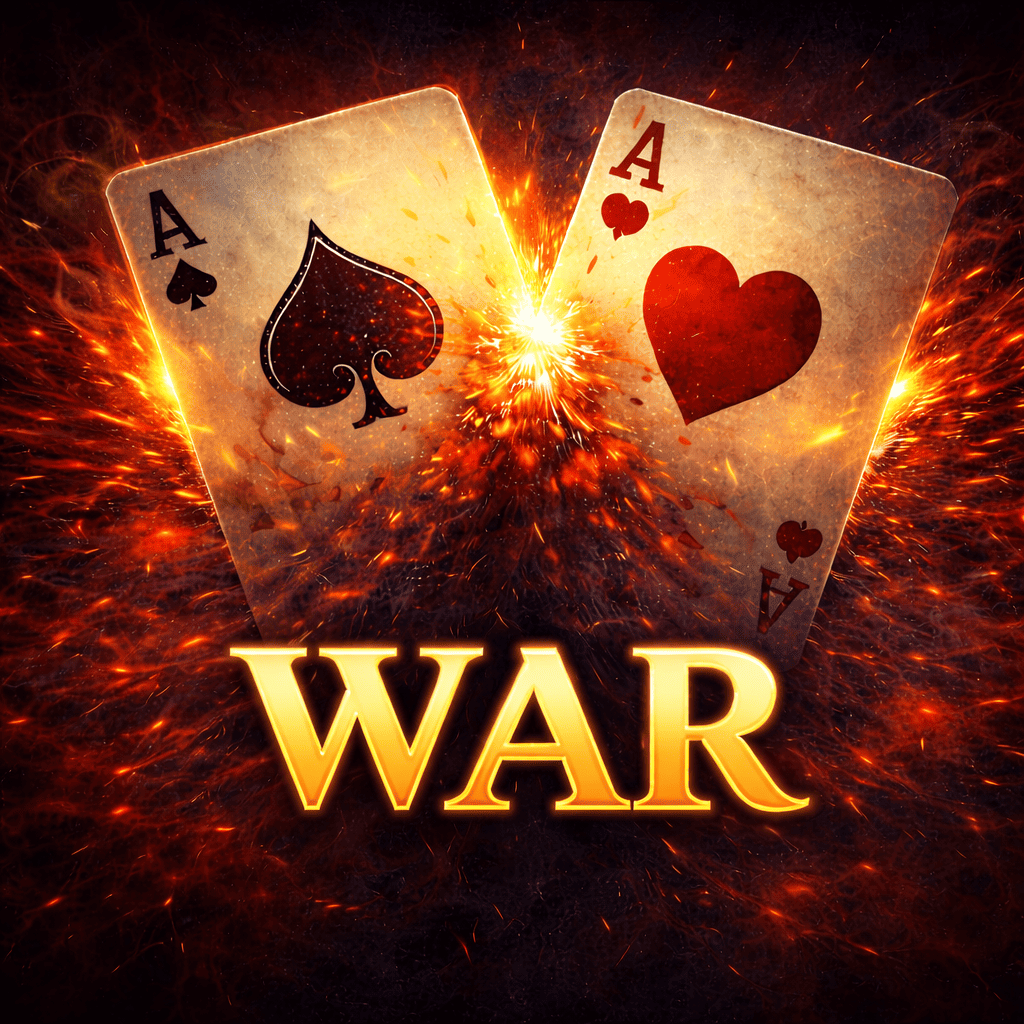 War
War Word Spy
 XII ScriptaYahtzee
NEED HELP?