The 7 Best Games Like Chess for Strategy Lovers (2026)
Go is the best game like chess — the only rival with comparable depth, a 2,500-year competitive tradition, and a skill ceiling that even computers took until 2016 to reach. If chess is starting to feel like homework, the seven games here scratch the same itch: perfect information, no dice, and the better player winning almost every time. All of them play free on Arcadia against an AI or a live opponent.
How we picked
Every pick shares the DNA that makes chess great: two players, no luck, perfect information, and victory through better decisions. Each is free on Arcadia with an AI opponent. We ranked by strategic depth first, then by how distinct an experience each offers a chess player, and we excluded straight chess variants in favor of genuinely different games.
- 1
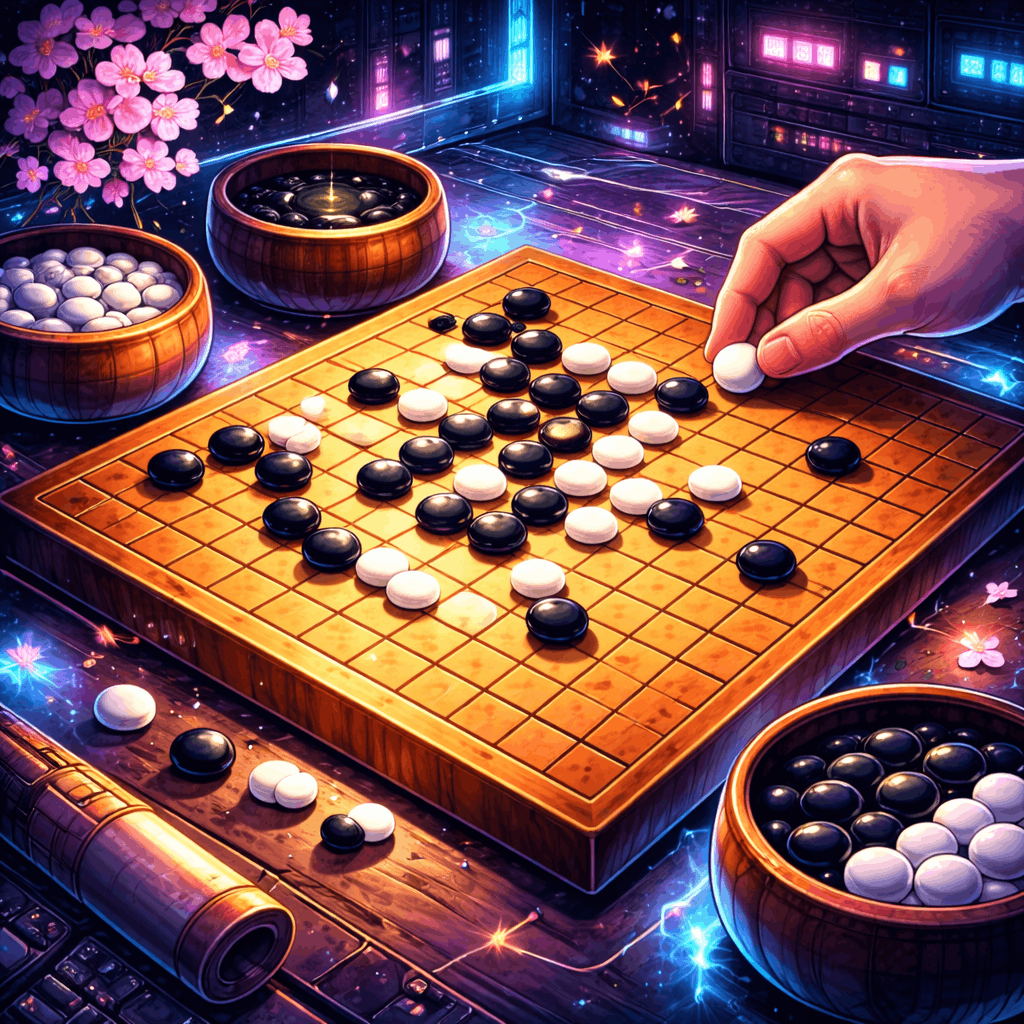
Go / Weiqi
Deeper than chess by most measures — a 19x19 board, simple rules, and a branching factor so vast that computers only surpassed top humans in 2016. Territory-thinking is a completely different mental muscle from chess tactics. The one game every serious chess player should try.
- 2

Checkers
The closest cousin: same board, forced captures, and a tactical language of sacrifices and combinations that chess players pick up instantly. Games run 10–15 minutes, and at a high level it is far deeper than its reputation suggests.
- 3
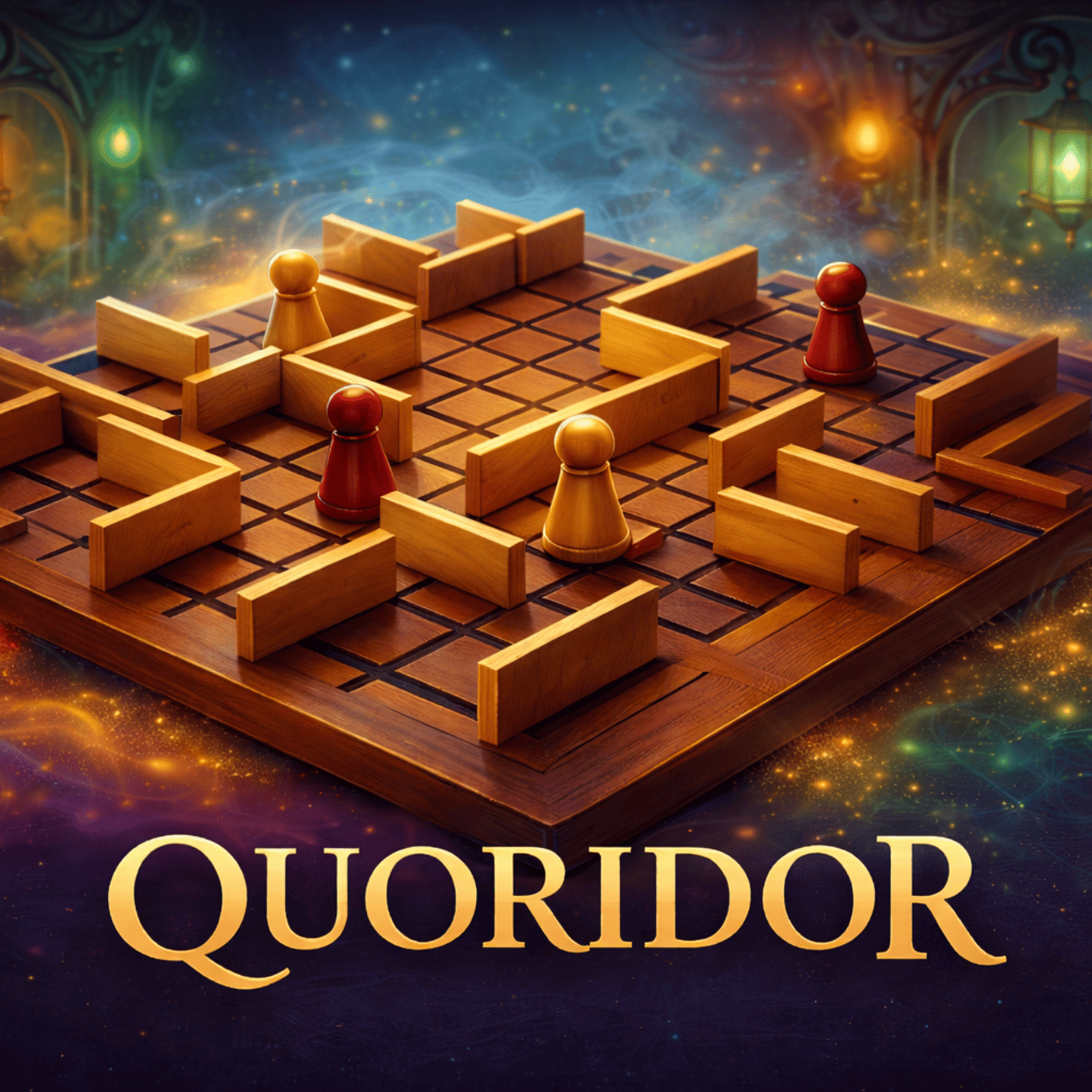
Quoridor
Move your pawn or place a wall — a single decision that produces chess-like path calculation with none of chess’s memorized opening theory. Games take about ten minutes and every position is readable at a glance. The best modern entry point on this list.
- 4
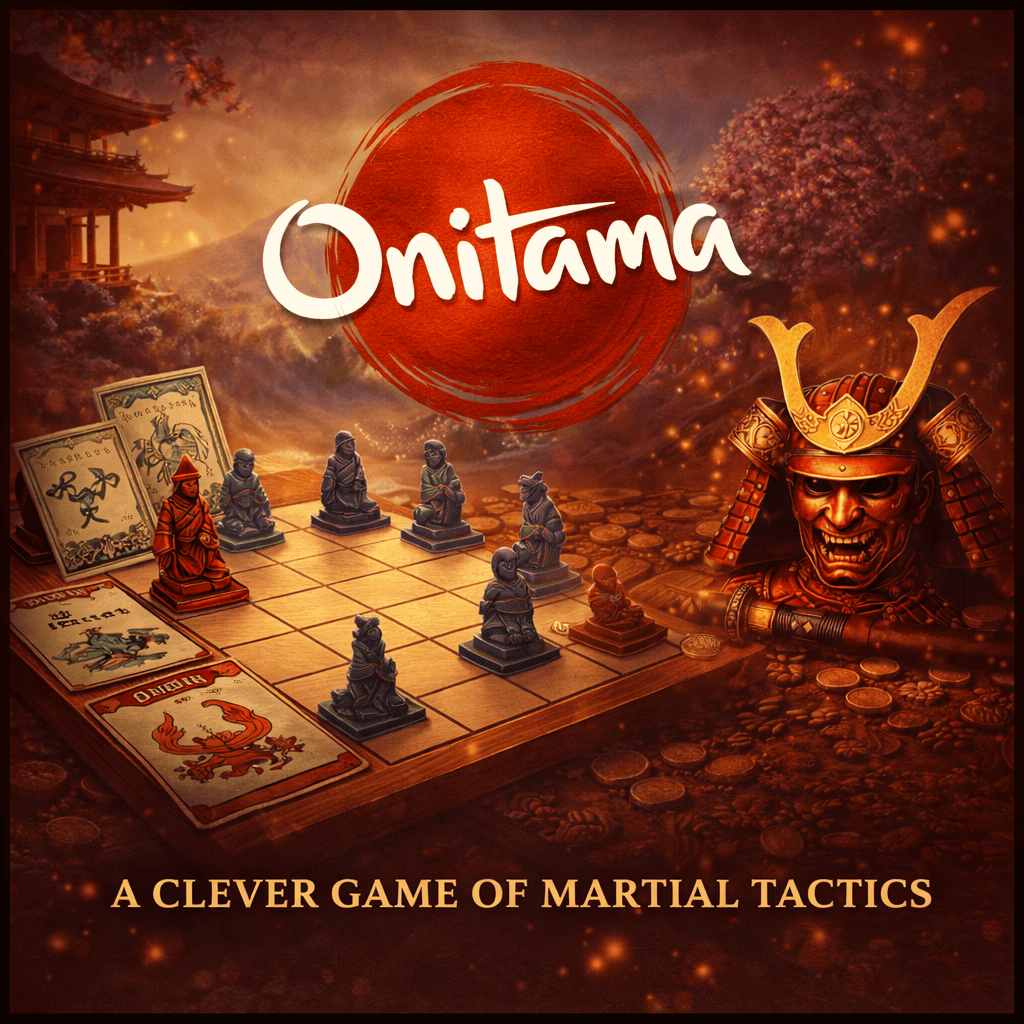
Onitama
Chess compressed: five pieces per side and just five shared movement cards, with each card you play rotating into your opponent’s hand. You always know exactly what they could do next, so the game becomes pure calculation and prediction inside 15 minutes.
- 5
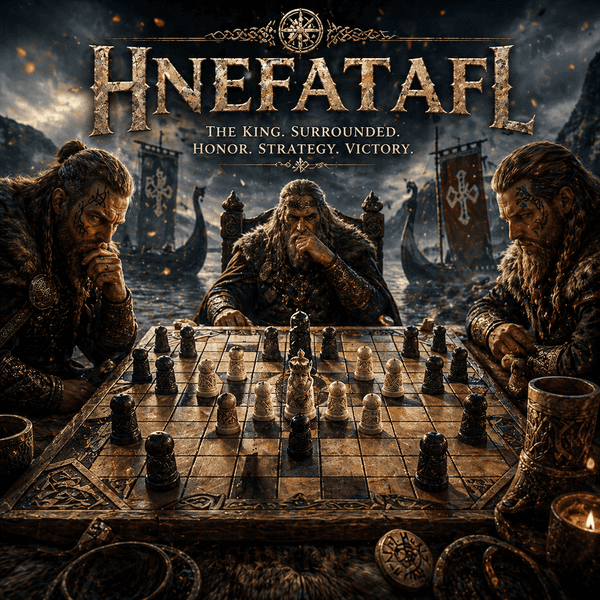
Hnefatafl
The Viking-era siege game that chess eventually displaced across Northern Europe. Its asymmetry — a small king’s guard versus a surrounding army — forces you to master two completely different styles of play, attacking and escaping.
- 6
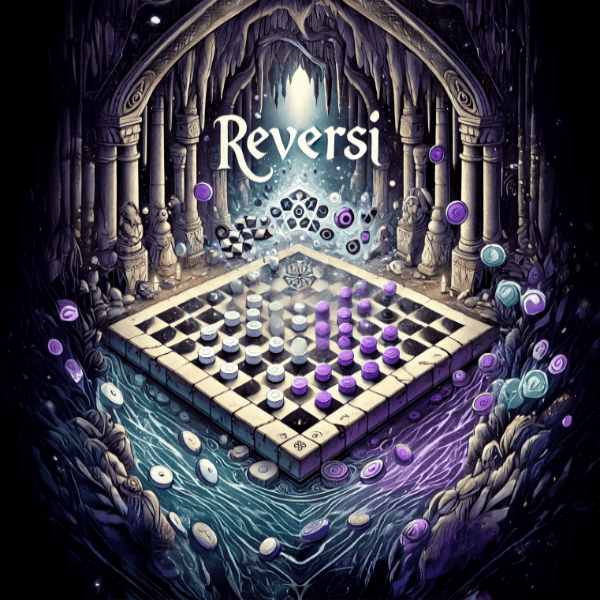
Reversi
Flanking flips discs, and one move can turn the whole board — Reversi punishes greed and rewards mobility and edge control. It is the most swing-heavy game here: material means little until the final moves, which chess players find refreshingly alien.
- 7
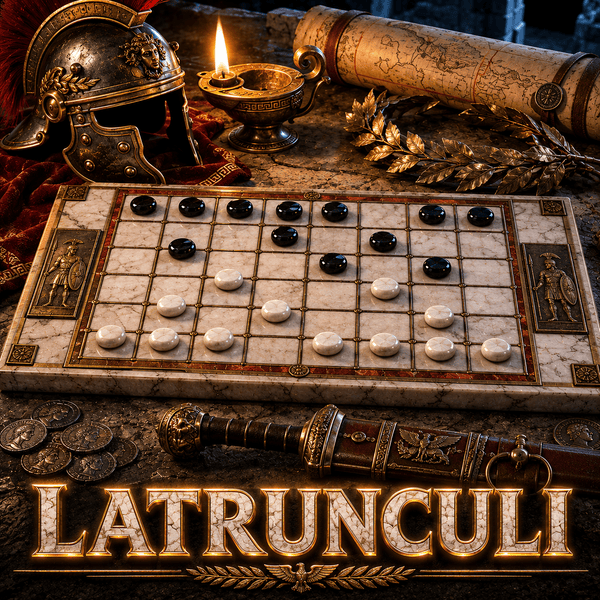
Ludus Latrunculorum
The Roman soldier’s strategy game, played across the empire and reconstructed from surviving boards and texts: trap enemy pieces between two of yours in a pure custodial-capture duel. Simpler than chess, but the encirclement tactics feel unmistakably familiar.
FAQ
What game is most similar to chess?
Checkers is the most structurally similar — same board, alternating moves, capture-driven tactics — while Go is the closest in depth and competitive seriousness. Onitama is the closest in feel, since you still move chess-like pieces to hunt a king.
Is Go harder than chess?
By raw complexity, yes — Go has vastly more possible positions, and AI took until 2016 (AlphaGo) to beat top humans versus 1997 for chess. But harder is personal: Go’s rules are simpler to learn, and beginners can enjoy it immediately.
What chess-like game is easiest to learn?
Quoridor — move or place a wall, first to the far side wins — takes about a minute to learn. Onitama is close behind: if you already know chess-style piece movement, the five cards teach themselves.
Do these games have less theory to memorize than chess?
Yes, dramatically. Chess openings carry centuries of published theory; games like Quoridor, Onitama, and hnefatafl have almost none, so you compete on calculation and judgment from game one. Go has deep theory at high level, but casual play does not require it.
Was hnefatafl really replaced by chess?
Yes. Hnefatafl dominated Northern Europe through the Viking Age, but as chess spread from the 11th and 12th centuries it steadily displaced the older game. By the late Middle Ages hnefatafl survived only in remote regions, and it was recorded in Lapland as late as the 1730s.

MAIN MENU
PvP Games
 Battleship
 Crazy Eights
 Dots & Boxes Blitz
 Gomoku
 LudoQuoridor
 Snakes & Ladders
 Yahtzee
Free Games
 Alquerque
 Backgammon
 Bagh-Chal
 Balut
Balut Battle for TokyoBattleship
 Bingo
Bingo Brick Breaker
 Bridge
 Bunco
Bunco CallbreakCheckers
 Chess
Chess ChompCrazy Eights
 Cribbage
 Dara
Dara Derby Dash
 DominoesDots & Boxes Blitz
 Durak
Durak Emberdeep
 Euchre
 Fanorona
 Farkle
 Fox and Geese
 Fox and Hounds
 Generala
 Gin RummyGo / WeiqiGomoku
 Hazard
 Hearts
 Hex
Hex Higher or LowerHnefatafl
 Hounds and Jackals
 Indian Rummy
 JungleLudus Latrunculorum
 Liar's DiceLudo
 Mahjong Solitaire
 Mancala
 Minesweeper
 Nim
Nim Nine Men's MorrisOnitama
 Patolli
 Peg Solitaire
 Pentago
 Pente
Pente Pig
Pig PylosQuoridorReversi
 Royal Game of Ur
 Scratch Cards
 Seega
Seega Senet
Senet Shax
Shax Ship, Captain, Crew
 Shut the Box
 Sixteen Soldiers
 SnakeSnakes & Ladders
 Klondike Solitaire
 Space Blaster
 Spades
 Sugar Pop
 Sungka
 Tangram
 Tile Rummy
 Tower
Tower Truco
Truco War
War Word Spy
 XII ScriptaYahtzee
NEED HELP?