The 8 Best Abstract Strategy Games to Play Online (2026)
Go is the best abstract strategy game ever created: a handful of rules, a 19x19 board, and more depth than any other game humanity has produced. Abstract strategy means no theme, no dice, and no hidden cards — just two minds and a board. From Piet Hein’s Hex to the twist-driven tension of Pentago and Madagascar’s Fanorona, we ranked eight pure-strategy games you can play free on Arcadia.
How we picked
Every game here is a pure abstract: two players, perfect information, zero luck in play, and no theme doing the heavy lifting. All are free on Arcadia with AI opponents. We ranked by depth-to-rules-weight ratio — how much strategy each game generates per rule — then by how distinct its core idea is.
- 1
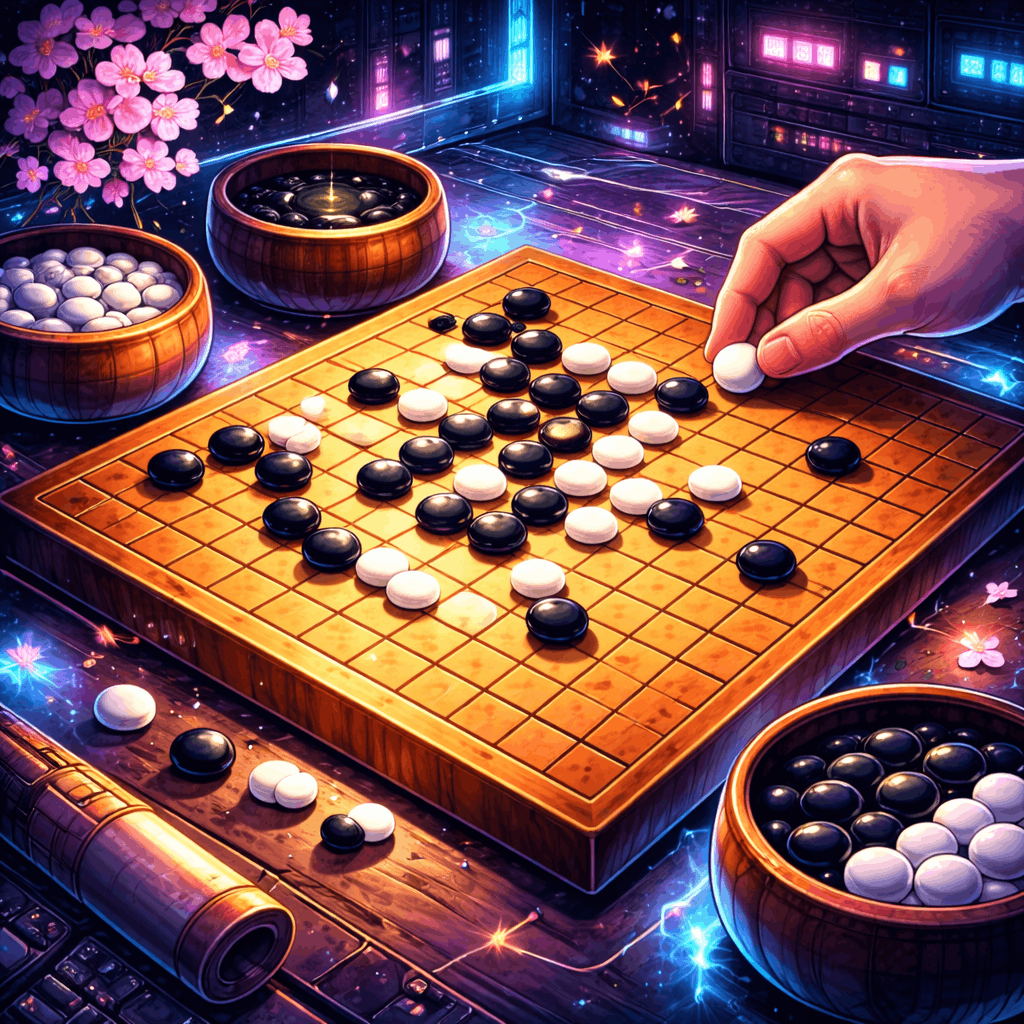
Go / Weiqi
The purest and deepest abstract in existence: place stones, surround territory, and discover that a couple of rules generate a lifetime of strategy. Go carries a 2,500-year history and a professional scene to this day. Every abstract designer since has been chasing this ratio of simplicity to depth.
- 2
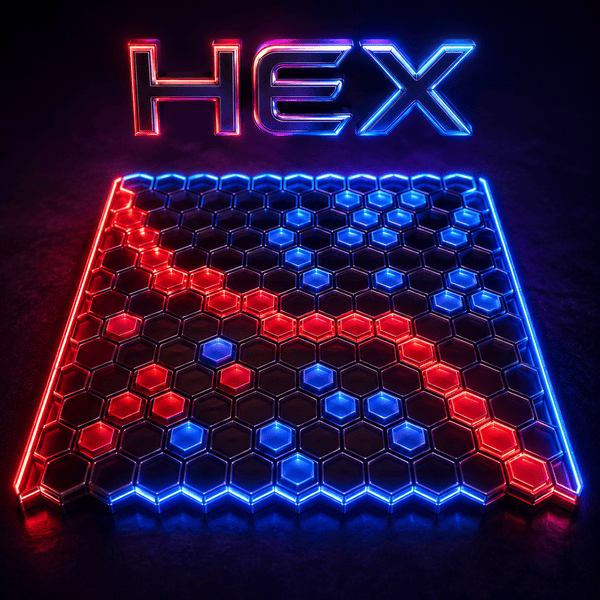
Hex
Connect your two sides of a rhombic board — that is the entire rulebook, and John Nash proved the game can never end in a draw. Invented in the 1940s by Piet Hein and Nash independently, it turns pure connection into deep, ladder-driven strategy.
- 3
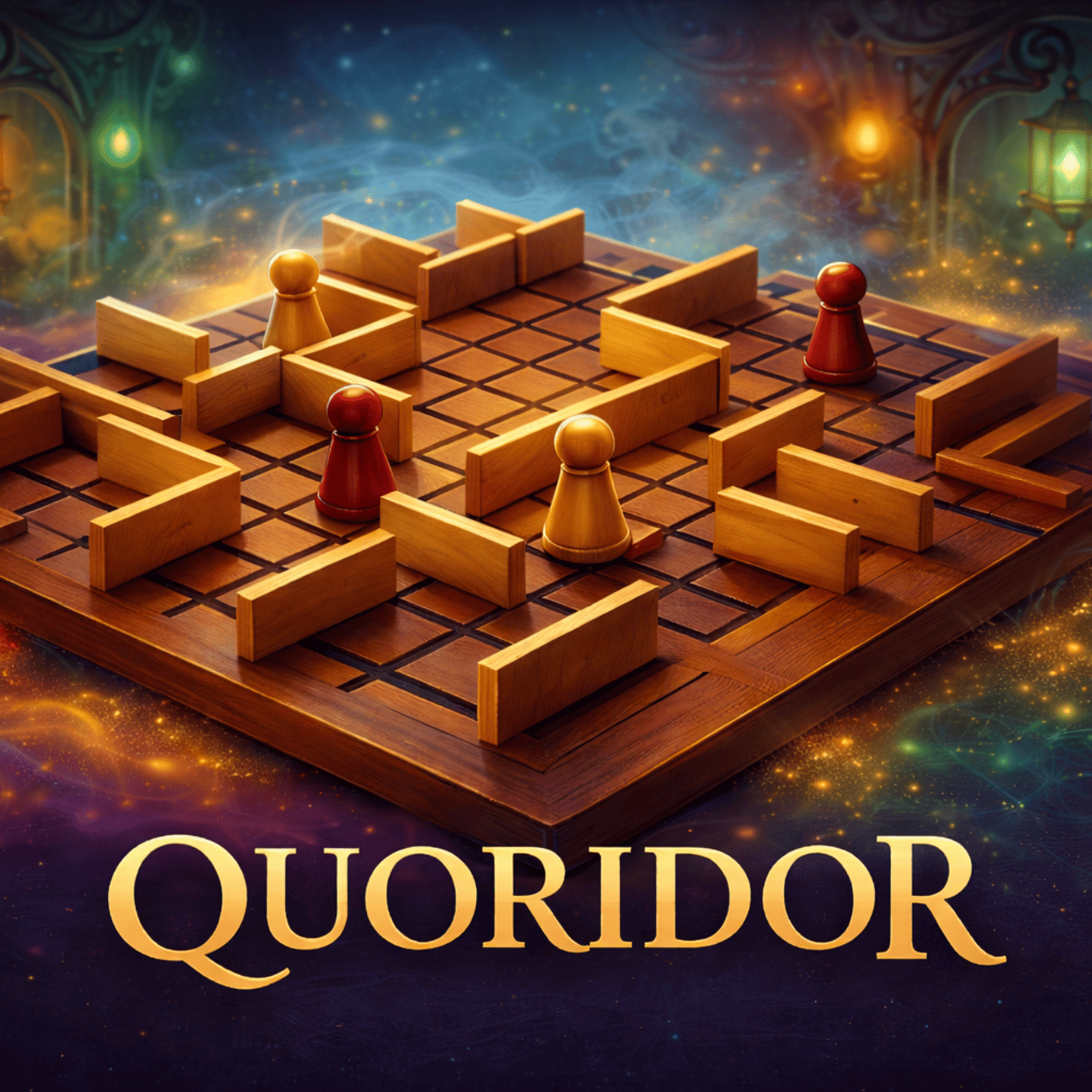
Quoridor
One choice per turn — step your pawn or place one of your ten walls — creates a duel of pathfinding and tempo. It is the most accessible deep abstract of the modern era, published in 1997, and games finish in about ten minutes.
- 4
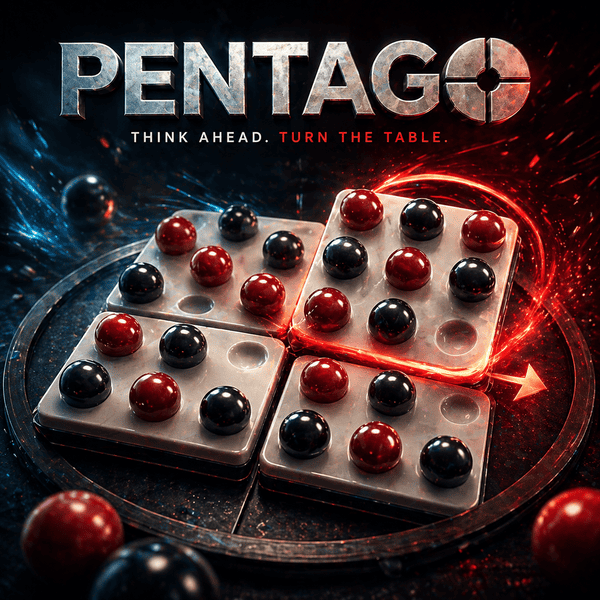
Pentago
Place a marble, then twist one of the four board quadrants — the rotation mechanic makes five-in-a-row feel brand new and wrecks lazy calculation. Games take five to ten minutes, and the twist means winning threats can appear from nowhere.
- 5
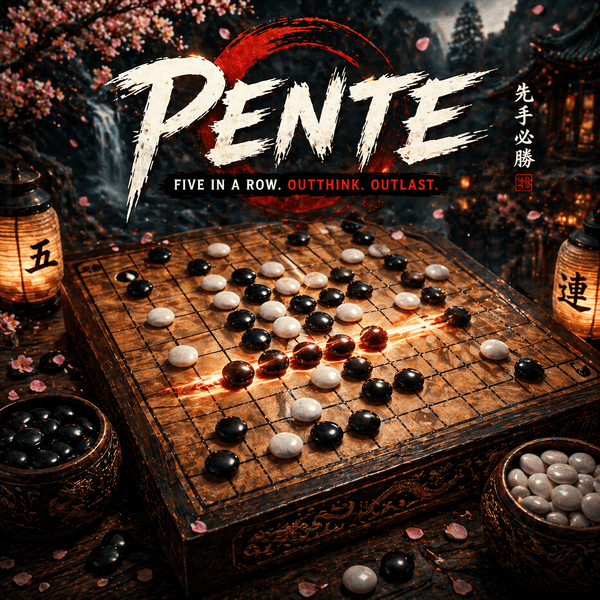
Pente
Five-in-a-row plus custodial capture: pairs of your opponent’s stones can be snatched, so every alignment threat doubles as a capture threat. Designed in 1977, it adds just one rule to gomoku and gains a whole second axis of strategy.
- 6
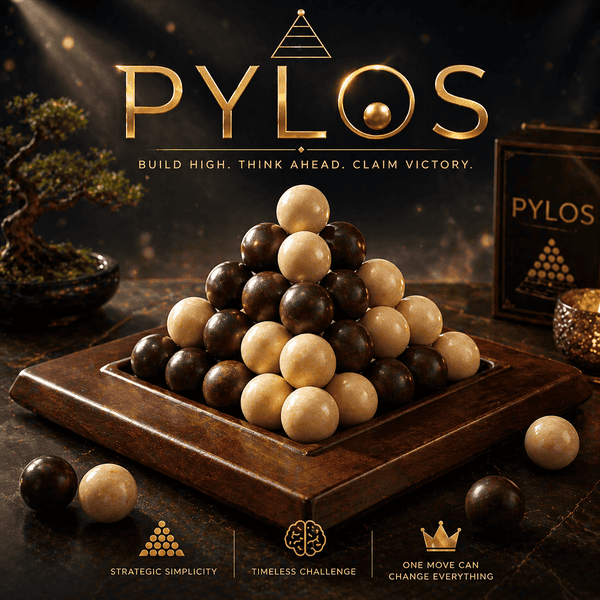
Pylos
A 3D abstract played with marbles on a four-by-four pyramid: place, climb, and reclaim marbles so your supply outlasts your opponent’s. The stacking economy is unlike anything else on this list, and games take about ten minutes.
- 7
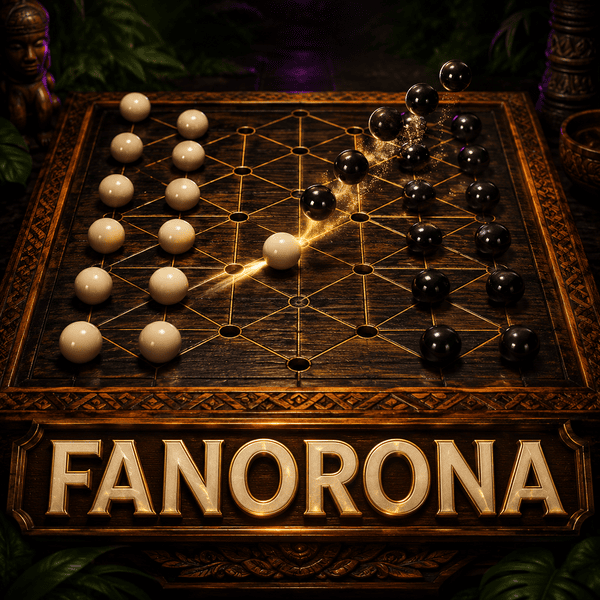
Fanorona
Madagascar’s national game, where captures happen by approaching or withdrawing along lines — and chain captures can clear half the board in a single turn. Its capture geometry is unique among abstracts, and the opening exchanges are ferocious.
- 8
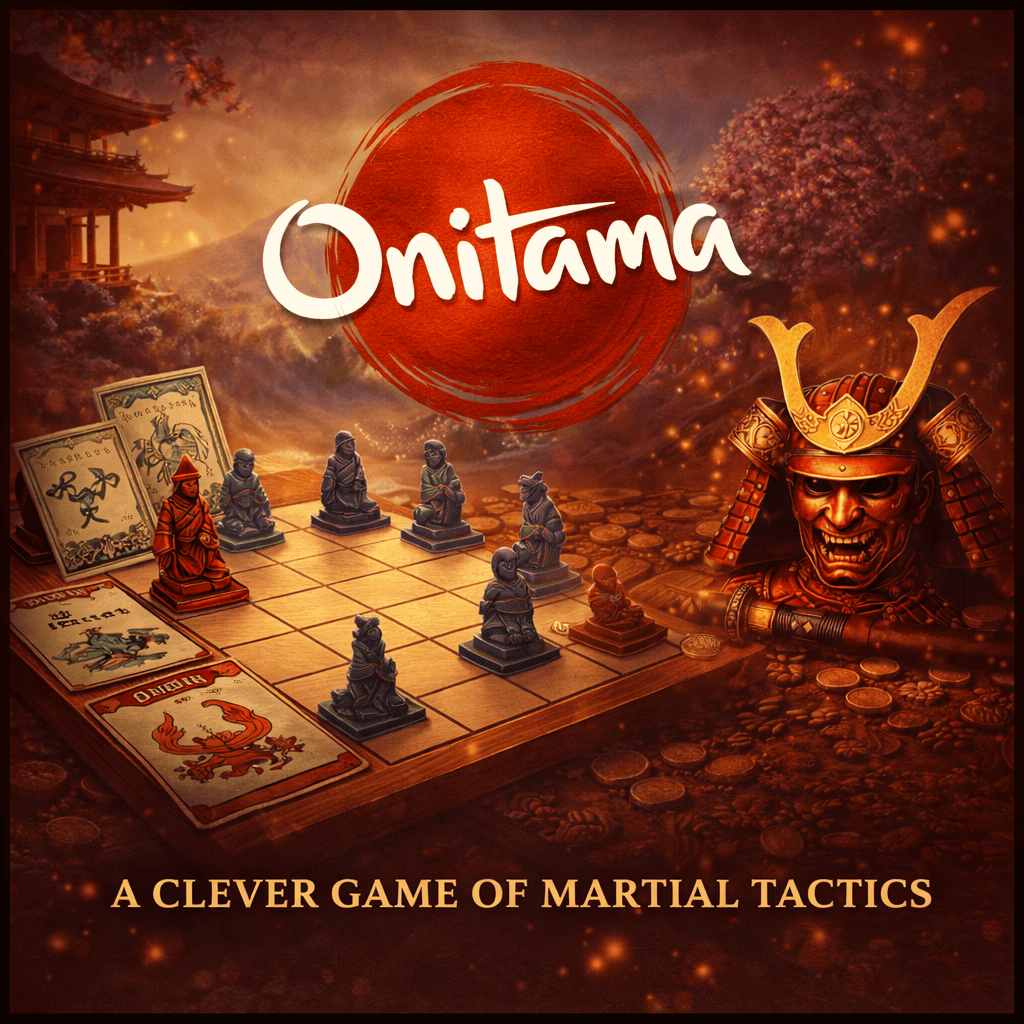
Onitama
An abstract with a rotating twist: five movement cards are shared between the players, so the card you just used becomes your opponent’s next option. Perfect information plus hand rotation equals pure prediction, all inside 15 minutes.
FAQ
What is an abstract strategy game?
A game with no luck, no hidden information, and usually no theme — two players win or lose purely on their decisions. Chess and Go are the canonical examples, and everything on this list fits the definition strictly.
What is the best abstract strategy game?
Go, by broad consensus: it has the best depth-to-rules ratio of any game ever designed and a competitive tradition stretching back more than 2,500 years. Hex and Quoridor are the strongest modern alternatives.
Why is chess not on this list?
Chess absolutely qualifies, but it needs no introduction — we reserved the slots for outstanding abstracts you may not have played yet. If you want chess-adjacent recommendations, see our list of the best games like chess.
Are abstract strategy games good for your brain?
They exercise planning, calculation, and pattern recognition, and the practice of thinking several moves ahead is genuinely transferable discipline. The honest claim: they will not raise your IQ, but they will sharpen how you approach structured problems.
Can abstract strategy games end in a draw?
Some can — gomoku and Pentago can fill the board without a winner, and chess draws constantly at high level. Hex famously cannot: John Nash proved one player must always complete a connection, which is part of its mathematical fame.

MAIN MENU
PvP Games
 Battleship
 Crazy Eights
 Dots & Boxes Blitz
 Gomoku
 LudoQuoridor
 Snakes & Ladders
 Yahtzee
Free Games
 Alquerque
 Backgammon
 Bagh-Chal
 Balut
Balut Battle for TokyoBattleship
 Bingo
Bingo Brick Breaker
 Bridge
 Bunco
Bunco Callbreak
 Checkers
 Chess
Chess ChompCrazy Eights
 Cribbage
 Dara
Dara Derby Dash
 DominoesDots & Boxes Blitz
 Durak
Durak Emberdeep
 EuchreFanorona
 Farkle
 Fox and Geese
 Fox and Hounds
 Generala
 Gin RummyGo / WeiqiGomoku
 Hazard
 HeartsHex
 Higher or Lower
 Hnefatafl
 Hounds and Jackals
 Indian Rummy
 Jungle
 Ludus Latrunculorum
 Liar's DiceLudo
 Mahjong Solitaire
 Mancala
 Minesweeper
 Nim
Nim Nine Men's MorrisOnitama
 Patolli
 Peg SolitairePentagoPente
 PigPylosQuoridor
 Reversi
 Royal Game of Ur
 Scratch Cards
 Seega
Seega Senet
Senet Shax
Shax Ship, Captain, Crew
 Shut the Box
 Sixteen Soldiers
 SnakeSnakes & Ladders
 Klondike Solitaire
 Space Blaster
 Spades
 Sugar Pop
 Sungka
 Tangram
 Tile Rummy
 Tower
Tower Truco
Truco War
War Word Spy
 XII ScriptaYahtzee
NEED HELP?